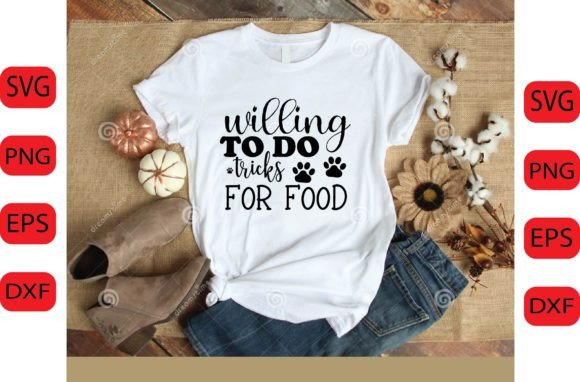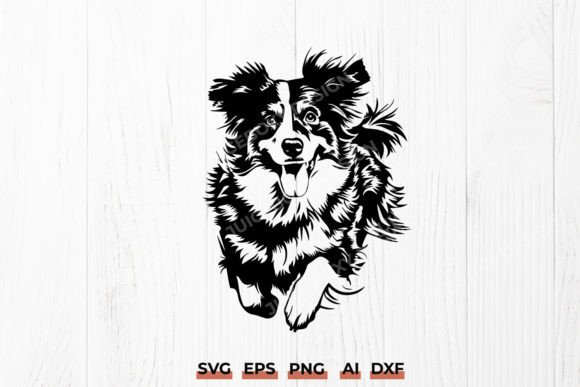
Dog Food SVG
First Impressions: A Practical Designer’s Take
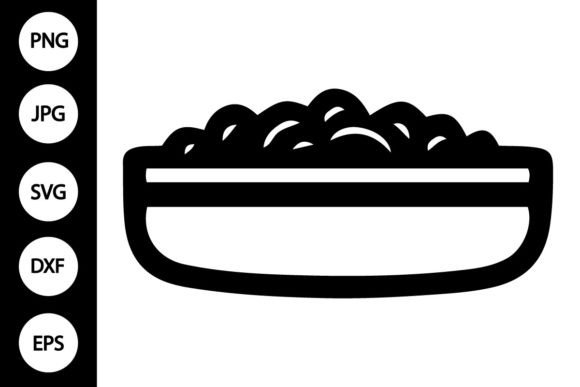
The moment I opened the Dog Food SVG file, I was struck by its simplicity and clean lines. It’s not a flashy design, but it carries a certain charm that makes it feel approachable and relatable. The theme is straightforward—dog food, rendered in a stylized, almost cartoonish manner. It’s the kind of design that could easily fit into a home decor setting or a casual apparel project.
Visual Personality and Mood
This design exudes a friendly, everyday vibe. It feels like something you’d see on a tote bag or a baby onesie, not a high-end boutique item. The color palette is muted, which gives it a soft, unobtrusive quality. It doesn’t demand attention but still holds visual interest. This makes it a versatile option for both personal and commercial use.
One thing I noticed immediately is the lack of intricate details. While this can be an advantage for some projects, it also means the design may not be suitable for highly detailed embroidery applications. However, it does offer a good balance between simplicity and character, making it ideal for projects where the focus is more on the concept than the complexity.
Real-Life Use Case: Custom Tote Bag Design
To test the Dog Food SVG, I imagined using it on a custom tote bag. The design would work well as a subtle accent, adding a touch of personality without overwhelming the main image. It’s not too busy, so it pairs nicely with other elements like text or patterns.
I considered how it might look on different fabric types. On cotton, it would stand out nicely, while on textured fabrics, it might blend in slightly. This makes it a good candidate for both light and dark backgrounds, though I’d recommend testing it on a scrap piece first to ensure clarity and stitch density are appropriate.
Stitching Clarity and Performance
When evaluating an embroidery design, stitching clarity is key. The Dog Food SVG appears to have a consistent stitch density, which is important for maintaining detail without causing issues during the embroidery process. However, because it’s a texture pattern rather than a full illustration, there are areas where the detail is minimal.
I would advise testing this design on a small hoop size first, especially if you’re working with limited space. It’s also worth checking whether the design includes any hidden layers or complex stitch types like satin stitch or fill stitch. If not, it should perform well on most standard machines.
Where to Use Carefully
While the Dog Food SVG is versatile, there are a few scenarios where it might require extra care. For instance, using it on thin or stretchy fabrics could lead to distortion or poor stitch alignment. Similarly, applying it to curved surfaces like caps or hats might result in uneven stitching unless properly stabilized.
Also, the design’s lack of intricate details means it might not hold up well in dense stitch areas or when used as a decorative accent. If you plan to use it on a layered garment or a product that will undergo frequent washing, consider reinforcing the design with proper stabilizer and thread color contrast.
Impact on Visual Appeal and Product Value
The Dog Food SVG has the potential to add value to a handmade product or personalized gift. Its simplicity allows for creative freedom in pairing it with other elements, such as text or additional graphics. However, it’s important to consider how it contributes to the overall aesthetic of the finished product.
For Etsy sellers or small shop owners, this design could be a great addition to your catalog. It’s easy to incorporate into a variety of items, from t-shirts to aprons, and it offers a unique yet familiar visual appeal. That said, it’s essential to ensure that the design aligns with your brand identity and target audience.
Practical Designer Notes
- Test on Scrap Fabric: Always run a test before committing to a full project. This helps identify any potential issues with stitch density, alignment, or fabric compatibility.
- Check Thread Color Contrast: Ensure the design stands out against the fabric. Dark fabrics may require lighter threads, while light fabrics may benefit from darker threads.
- Review Stitch Density: A higher stitch density can enhance detail but may also increase the time and effort required for stitching.
- Confirm Hoop Size: Make sure the design fits comfortably within your hoop to avoid strain on the machine and ensure even stitching.
- Use Proper Stabilizer: Especially on delicate or textured fabrics, a good stabilizer can make all the difference in the final outcome.
- Test in Black and White Mockups: This helps assess how the design will look in different lighting conditions and on various fabric types.
- Consider Licensing: If you plan to sell finished products or digital files, always verify the licensing terms to avoid legal issues.
Final Thoughts on Dog Food SVG
The Dog Food SVG is a practical, user-friendly design that offers a good balance between simplicity and character. It’s well-suited for a wide range of embroidery projects, from custom apparel to handmade gifts. While it may not be the most intricate design, its versatility makes it a valuable asset for designers looking to create meaningful, recognizable products.
Whether you're an Etsy seller, a small business owner, or a hobbyist, this design can help you bring your ideas to life. Just remember to test it thoroughly, consider the fabric and environment, and ensure it aligns with your brand and customer expectations.